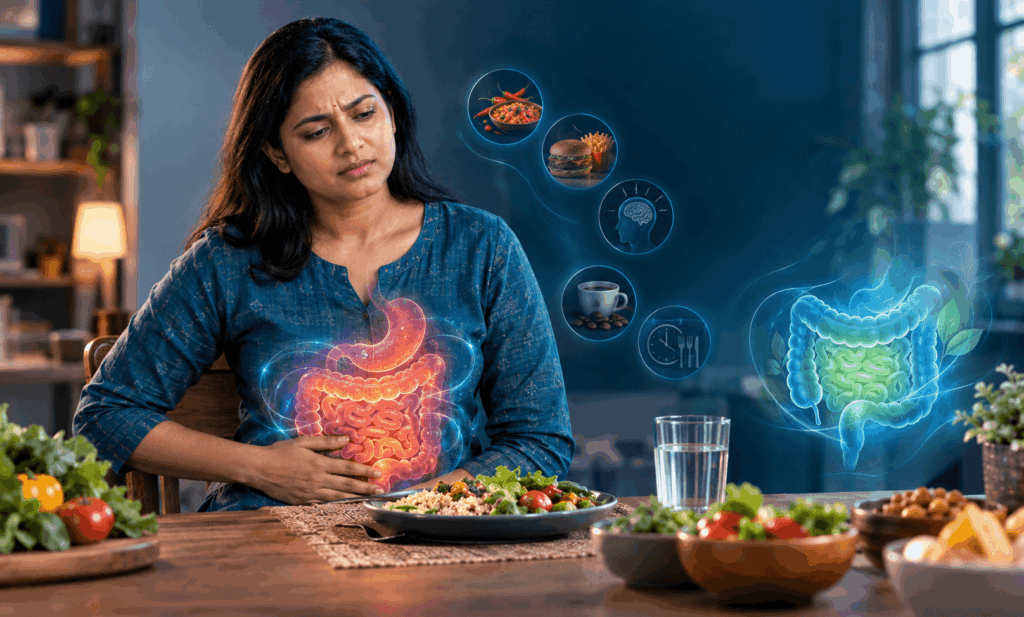
Living with an unpredictable gut, where alternating diarrhea, constipation, and sudden abdominal cramping dictate your daily schedule, is a reality for thousands across Bihar. Irritable Bowel Syndrome (IBS) is increasingly common in urban centres like Patna, largely driven by high chronic stress levels, dietary shifts toward processed foods, irregular eating patterns, and post-infectious gut changes following common stomach infections. Sweeping these issues under the rug out of embarrassment or relying on temporary laxatives and antacids can severely compromise your quality of life, leading to nutrient malabsorption, chronic fatigue, anxiety, and long-term disruption of your daily routine.
Dr. Saurubh Jaisawal, a CMC Vellore-trained Gastroenterologist in Patna, notes that IBS is a genuine functional gastrointestinal disorder and not something that is ‘all in your head’. Achieving lasting gut stability requires moving beyond temporary fixes and identifying specific gut-brain triggers to build a tailored management plan.
Understanding Irritable Bowel Syndrome (IBS)
Irritable Bowel Syndrome (IBS) is a common gastrointestinal disorder that affects the large intestine. It is characterized by a disturbance in how the brain and the gut communicate, leading to abnormal muscle contractions in the bowel wall, heightened visceral sensitivity, and altered bowel habits without any visible structural damage to the digestive tract.
Causes of IBS
While identifying the exact IBS cause remains complex, key underlying mechanisms include:
- Gut-Brain Axis Dysregulation: Faulty signaling between the central nervous system and the nerves in the gut, causing normal digestive processes to feel painful.
- Altered Gut Motility: Intestinal muscles contracting too fast (causing diarrhea) or too slow (causing constipation).
- Visceral Hypersensitivity: An overly sensitive gut lining where normal amounts of gas or stool trigger intense pain and bloating.
- Post-Infectious Changes: Onset following a severe bout of bacterial or viral gastroenteritis (Post-Infectious IBS).
- Gut Dysbiosis: Imbalances in the trillions of beneficial bacteria residing in your intestinal tract.
Types of IBS
| IBS Type | Primary Bowel Habit | Stool Characteristics | Common Daily Impact |
| IBS-D (Diarrhea-predominant) | Frequent, urgent loose stools | Watery or loose, often with sudden urgency after eating | Fear of traveling or leaving home without restroom access |
| IBS-C (Constipation-predominant) | Infrequent, hard, or lumpy stools | Straining, difficult passage, feeling of incomplete evacuation | Persistent abdominal heaviness, bloating, and discomfort |
| IBS-M (Mixed/Alternating) | Alternating between diarrhea & constipation | Swings between loose urgent stools and hard strained bowel movements | Highly unpredictable bowel habits from day to day |
| IBS-U (Unclassified) | Varied symptoms | Symptoms meet general IBS criteria but don’t fit neatly into D, C, or M | Intermittent abdominal pain and bloating |
Risk Factors for IBS
Certain factors increase the likelihood of developing irritable bowel syndrome:
- Age & Gender: Common among young adults under 45 and twice as frequent in women.
- Mental Health Factors: Chronic anxiety, high emotional stress, depression, or a history of trauma.
- Family History: A genetic predisposition or shared environmental habits with family members having GI disorders.
- Prior Severe GI Infections: A history of severe food poisoning or bacterial stomach infections.
Common IBS Triggers You Should Know
IBS symptoms are often reignited or worsened by specific internal and external triggers:
- Dietary Triggers: High-FODMAP foods (fermented oligosaccharides, disaccharides, monosaccharides, and polyols) like onions, garlic, wheat, beans, dairy, and artificial sweeteners.
- Stress & Emotional Strain: Mental stress directly alters gut motility and heightens pain perception via the gut-brain link.
- Irregular Meal Patterns: Skipping meals, eating late at night, or consuming large, high-fat meals.
- Hormonal Fluctuations: Many women notice symptom surges during their menstrual cycles.
- Stimulants & Irritants: Excessive coffee, strong tea, carbonated sodas, and alcohol.
Common IBS Symptoms
Recognizing IBS symptoms early helps distinguish functional gut distress from other gastrointestinal conditions:
- Abdominal pain, cramping, or aching that is often relieved or altered after a bowel movement
- Noticeable abdominal bloating, distension, and excessive gas
- Changes in stool frequency (going much more or much less often than usual)
- Changes in stool appearance (watery, loose, or hard and pellet-like)
- Presence of clear or whitish mucus in the stool
- Feeling as though a bowel movement was incomplete
When to See a Specialist (Red Flag Symptoms)
While IBS itself does not cause structural disease, certain ‘alarm IBS symptoms’ indicate a more serious condition (such as inflammatory bowel disease or malignancy) and require urgent evaluation by a specialist:
- Unexplained, intentional or unintentional rapid weight loss
- Rectal bleeding or blood in your stool
- Unexplained persistent fever or night sweats
- Persistent diarrhea that wakes you up from sleep
- Onset of symptoms after age 50
- Continuous, severe abdominal pain that progressive worsens
What Happens if IBS is Left Untreated?
Although IBS does not cause permanent structural damage or intestinal cancer, leaving it unmanaged can result in significant consequences:
- Severe Quality of Life Reduction
- Nutritional Deficiencies
- Mental Health Escalation including anxiety and depression
- Complications of Chronic Straining such as painful hemorrhoids or anal fissures

“Living with IBS isn’t about accepting chronic pain or living in fear of your next meal. Once we identify your unique triggers and balance the gut-brain axis, you can fully regain control over your gut and live without constant disruption.”
Is IBS 100% Curable?
Because IBS is a functional disorder tied to gut sensitivity and nervous system communication rather than a temporary infection, there is no single magic pill that cures it 100% permanently overnight. However, IBS can be brought into complete symptom remission. With a structured plan combining dietary modification, stress management, and targeted medications, the vast majority of patients live symptom-free lives.
Is IBS a Lifelong Condition?
IBS is generally considered a chronic, long-term condition that waxes and wanes over time. You may experience long periods of completely normal digestive function interrupted by occasional flares during times of high stress or dietary changes. Recognizing your personal IBS triggers allows you to prevent or rapidly manage flares before they disrupt your life.
IBS Diagnosis & Treatment
Proper management requires an accurate diagnosis to rule out organic diseases like celiac disease, inflammatory bowel disease (IBD), or infections.
Irritable Bowel Syndrome Diagnosis
There is no single blood test for IBS. A specialist uses the Rome IV criteria (evaluating recurrent abdominal pain for at least 1 day/week in the last 3 months, associated with defecation or stool changes) along with:
- Blood tests (to rule out anemia and celiac disease)
- Stool tests (to check for inflammation or parasites)
- Upper Endoscopy or Colonoscopy (if red-flag symptoms are present)
Comprehensive IBS Treatment
Effective IBS treatment in Patna offered by Dr. Saurubh Jaisawal focuses on personalized, multi-pronged care:
- Targeted Dietary Therapy: Adopting a structured Low-FODMAP diet under medical guidance, followed by systemic reintroduction to pinpoint exact food sensitivities.
- Medications for Symptom Control:
- For IBS-D: Antidiarrheal agents, antispasmodics for pain, and gut-targeted non-absorbable antibiotics.
- For IBS-C: Osmotic laxatives and prokinetics to improve stool motility.
- Gut-Brain Therapies: Low-dose neuromodulators to dampen pain hypersensitivity in the gut nerves.
- Probiotic Modulation: Specific probiotic strains to restore healthy gut flora balance.
- Lifestyle Shifts: Daily physical activity, stress-reduction techniques, and consistent meal timing.
Visit Dynamic Super-Speciality Liver & Gastro Center, Patna
An unpredictable gut does not have to dictate your routine, diet, or peace of mind. By working with a qualified specialist, you can identify your specific IBS causes, tame your symptoms, and restore long-term digestive comfort.
Consult Dr. Saurubh Jaisawal, trusted IBS doctor in Patna, for compassionate, evidence-based care tailored to your unique gut health needs.
Start your path toward lasting relief from IBS!
Book Appointment Now: +91 94706 23130
Address: Pillar No. 76, Mazar Gali, Raja Bazar, Patna – 800014.
Website: www.drsaurabhjaiswalpatna.com
Google Profile