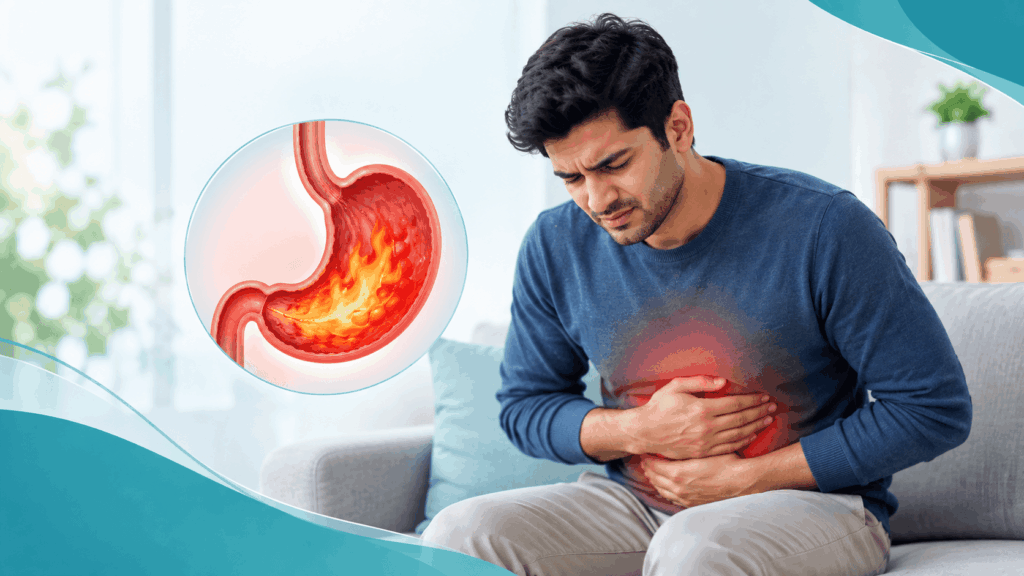
That sharp, burning feeling in your upper stomach right after eating, or that gnawing sensation in the middle of the night aren’t just mild indigestion. Millions of people brush it off and pop antacids every day. But that burning is your stomach lining actively screaming for help. By the time you notice these gastritis symptoms, inflammation and tissue wear are already underway. This is why early identification is the best way to catch inflammation before it turns into painful ulcers or long-term damage.
Dr. Saurubh Jaisawal, a CMC Vellore-trained gastroenterologist in Patna, notes that gastritis is one of the most common digestive problems he sees in his clinical practice. Fixing the problem isn’t about constantly taking acid-reducing pills on your own. Real relief comes from finding the root cause early so you can protect your stomach lining and prevent serious complications down the road.
What is Gastritis?
Gastritis is the medical term for inflammation, irritation, or erosion of the protective mucosal lining that guards your stomach against its own harsh digestive acids. When this protective barrier weakens, stomach acid damages the underlying tissue, causing pain, inflammation, and swelling.
Types of Gastritis
Gastritis is categorized into different types based on how it affects your stomach.
Based on the Speed & Duration of Inflammation:
- Acute Gastritis: Sudden, sharp stomach inflammation that develops quickly, often triggered by heavy painkiller use, alcohol, severe stress, or sudden infections.
- Chronic Gastritis: Slow-building, long-lasting inflammation that develops over months or years. It can silently damage the stomach lining without obvious signs until severe issues arise.
Based on Structural Impact (Damage to the Lining):
- Erosive Gastritis: A severe form where inflammation actively wears away the stomach lining, causing shallow sores, ulcers, and bleeding.
- Non-Erosive Gastritis: Causes swelling and inflammation in the stomach lining without causing open sores or deep tissue wear (most commonly caused by H. pylori bacterial infections).
Based on Root Causes:
- H. pylori Gastritis: Bacterial infection weakening the protective stomach lining.
- Autoimmune Gastritis: Occurs when the body’s immune system mistakenly attacks its own healthy stomach cells.
- Reactive Gastritis: Triggered by long-term chemical irritants like daily painkiller use, heavy alcohol consumption, or bile backing up into the stomach.
How Gastritis Differs from Gastroenteritis & GERD
Because these three conditions share overlapping symptoms, they are frequently confused. This breakdown explains their key differences:
| Feature | Gastritis | Gastroenteritis (Stomach Flu) | GERD (Acid Reflux) |
| Primary Location | Stomach mucosal lining | Entire stomach and intestines | Esophagus (food pipe) |
| Primary Cause | Stomach acid damage, H. pylori, NSAIDs | Viral or bacterial infection | Weak lower esophageal sphincter |
| Core Symptoms | Upper belly burning, nausea, early fullness | Sudden diarrhea, vomiting, fever, cramping | Heartburn, acid regurgitation, chest pressure |
| Onset & Duration | Acute or chronic | Acute (typically lasts 1–3 days) | Chronic and persistent |
Common Gastritis Causes
Identifying the common gastritis causes is the first step toward effective relief. Key drivers include:
- H. pylori Infection: A common bacterial infection that colonizes the stomach lining, causing chronic, low-grade inflammation.
- Frequent NSAID/Painkiller Use: Overusing medicines like ibuprofen, aspirin, or diclofenac inhibits the enzymes that protect the stomach barrier.
- Excessive Alcohol Consumption: Alcohol directly irritates, erodes, and weakens the delicate stomach lining.
- Severe Physical Stress: Major surgeries, trauma, burns, or severe illnesses can trigger acute stress-related gastritis.
- Autoimmune Response: The immune system mistakenly produces antibodies that attack the gastric gland cells.
- Unhealthy Lifestyle & Diet: High intake of fried, highly spiced, or acidic foods, combined with irregular eating patterns and chronic mental stress.
Gastritis Symptoms: Early Signs and Red Flags
Recognizing early gastritis symptoms allows you to seek medical care before deep erosion occurs.
Early Gastritis Symptoms You Should Know
- Persistent burning pain or gnawing ache in the upper abdomen (epigastric area)
- Feeling uncomfortably full during or shortly after a normal meal
- Recurrent nausea, belching, or bloating after eating
- Loss of appetite and unexplained indigestion
When Should You Seek Medical Care for Gastritis? The Red-Flag Symptoms
- Vomiting blood or material that looks like coffee grounds (sign of GI bleeding)
- Passing dark, black, or tarry stools (a sign of internal bleeding)
- Sudden, severe, sharp stomach pain that worsens rapidly
- Unexplained weight loss, dizziness, or extreme fatigue (signs of anemia)
Complications of Untreated Gastritis
Ignoring chronic gastritis or relying on temporary fixes can lead to severe health complications:
Peptic Ulcers: Persistent inflammation causes deep sores in the stomach wall.
Stomach Perforation: Severe ulcers can wear completely through the stomach wall, leading to life-threatening abdominal infections.
Internal Bleeding & Anemia: Chronic micro-bleeding reduces red blood cell counts, causing chronic fatigue and weakness.
Gastric Atrophy & Cancer: Long-term, untreated H. pylori or autoimmune gastritis can lead to tissue wasting (atrophy) and significantly increase the risk of stomach cancer.

“A burning stomach is your body’s request for attention, not a permanent condition. With early diagnosis and the right gastritis treatment, the stomach lining heals remarkably well, helping you get back to enjoying your life without pain.”
Diagnosis of Gastritis
A proper diagnosis ensures targeted gastritis treatment rather than temporary symptom relief. Gastroenterologists typically suggest the following tests to diagnose the condition and thereon plan your treatment.
- H. pylori Testing: Performed via a simple urea breath test, stool antigen test, or blood check.
- Stool Routine Test: Checks for hidden (occult) blood indicative of active stomach bleeding.
- Blood Tests: Identifies anemia or autoimmune markers affecting the stomach lining.
- Upper GI Endoscopy: The gold standard for directly visualizing the stomach lining and assessing the severity of inflammation.
Gastritis Treatment in Patna
Comprehensive gastritis treatment focuses on healing the stomach lining and eliminating the underlying root cause:
Acid-Reducing Medications
Proton Pump Inhibitors (PPIs) and H2 blockers suppress stomach acid production to allow the mucosa to heal.
Targeted Antibiotics
A prescription course of triple or quadruple therapy to eradicate H. pylori infections completely.
Mucosal Protectants
Medications that coat and shield inflamed stomach tissue from acid erosion.
Discontinuing Irritants
Stopping NSAIDs, alcohol, and tobacco under medical supervision.
When is Endoscopy Necessary?
Your gastroenterologist may advise an endoscopy for gastritis if you:
- Experience red-flag gastritis symptoms like dark stools, blood in vomit, or unexplained weight loss
- Are over age 45–50 and experiencing new-onset persistent indigestion
- Have symptoms that do not improve after a course of standard acid-suppressive medication
Need a tissue biopsy to check for H. pylori, gastric atrophy, or precancerous changes
Does Gastritis Go Away on Its Own?
It depends on the cause. Very mild, temporary gastritis caused by a one-off trigger like a heavy night of alcohol or a single spicy meal may resolve on its own once the stomach lining rests.
However, gastritis caused by H. pylori infections, regular painkiller use, severe acidity, or autoimmune conditions will not go away without medical treatment. Leaving it untreated allows inflammation to continue silently, leading to deep stomach ulcers or long-term complications.
Is Gastritis Curable?
Yes, most forms of acute and chronic gastritis are entirely curable when diagnosed early and treated appropriately.
Bacterial infections (H. pylori) can be eliminated with antibiotics, and drug-induced gastritis resolves once the offending medication is safely changed. Even long-standing chronic cases can be brought into complete remission through structured medical care, dietary shifts, and lifestyle changes guided by specialist like Dr. Saurubh Jaisawal, a leading gastroenterologist in Patna.
Prevention Guide: Lifestyle and Dietary Changes to Prevent Flareups
Foods to Choose
- Soothing & High-Fiber: Oats, whole grains, apples, and green vegetables.
- Probiotic-Rich: Fresh curd, plain yogurt, and fermented foods to balance gut flora.
- Lean & Non-Acidic: Boiled chicken, fish, lentils, bananas, melons, and papayas.
Foods to Limit
- Deep-fried, oily, or heavily spiced meals.
- Citrus fruits, tomatoes, and raw onions on an empty stomach.
- Coffee, carbonated sodas, and alcohol.
Key Lifestyle Habits
- Eat Smarter: Swap heavy meals for smaller, more frequent portions.
- Timing Matters: Avoid lying down within 2–3 hours after eating.
- Pill Safety: Never take pain relievers (NSAIDs) on an empty stomach without a doctor’s guidance.
- Manage Stress: Incorporate regular walking, adequate sleep, and relaxation routines.
Visit Dynamic Super-Speciality Liver & Gastro Center, Patna
A burning stomach is not something to accept as normal life. Treating early symptoms protects your digestive lining and prevents severe complications like bleeding, ulcers, and tissue damage. Untreated gastritis will not resolve permanently on its own if the root cause remains unaddressed. Modern diagnostic tools offer a fast, accurate, and direct path to lasting relief and complete recovery.
Consult Dr. Saurubh Jaisawal, trusted Consultant Gastroenterologist, for gastritis treatment in Patna using accurate diagnostics and evidence-based therapies.
Safely soothe stomach inflammation and protect your long-term digestive health!
Book Appointment Now: +91 94706 23130
Address: Pillar No. 76, Mazar Gali, Raja Bazar, Patna – 800014.
Website: www.drsaurabhjaiswalpatna.com
Google Profile