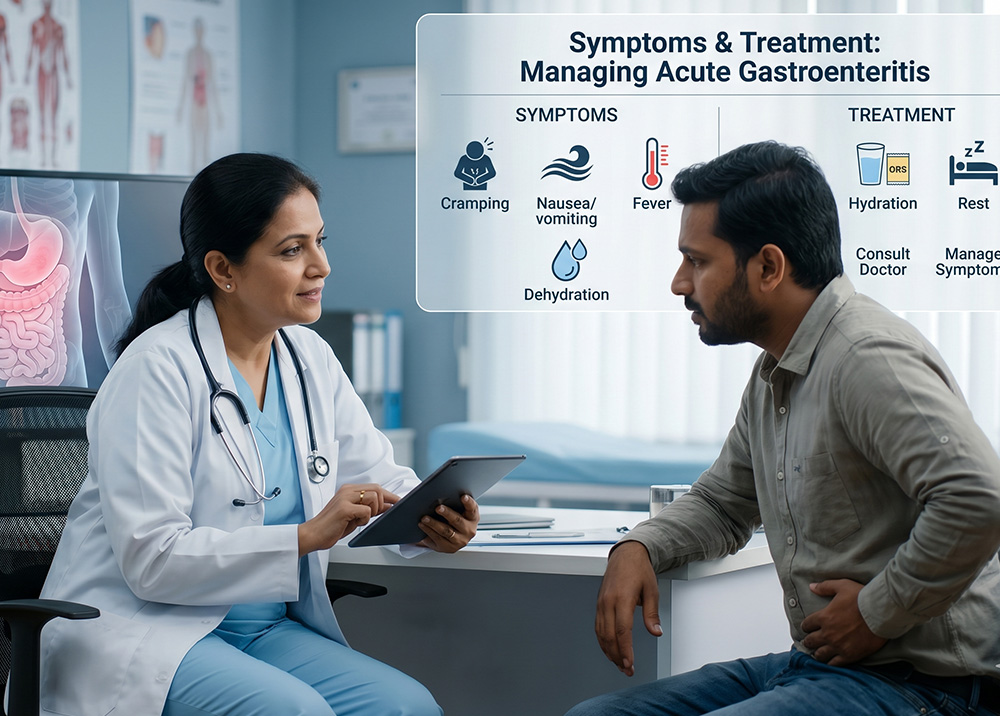
Waking up to sudden, intense stomach cramps, relentless vomiting, or watery diarrhea can be incredibly disruptive and exhausting. When a stomach bug hits this hard, you aren’t just dealing with a minor upset but likely experiencing sudden digestive tract inflammation known medically as a stomach infection. Knowing how to spot the warning signs and handle your recovery safely is critical to avoiding severe dehydration.
In this comprehensive guide, Dr. Saurabh Jaisawal, a premier CMC Vellore-trained Consultant Gastroenterologist and Hepatologist in Patna, breaks down everything you need to know about acute gastroenteritis symptoms and treatment so you can find fast relief and protect your gut health.
What Is Acute Gastroenteritis?
Acute Gastroenteritis refers to sudden inflammation of the stomach and intestines, usually caused by infections from viruses, bacteria, or parasites. It commonly presents with diarrhoea, vomiting, abdominal pain, and dehydration.
Unlike chronic gastroenteritis, which involves long-term, persistent inflammation that develops gradually over weeks or months, often due to underlying issues like autoimmune diseases, food allergies, or inflammatory bowel disease (IBD), acute gastroenteritis strikes rapidly and intensely.
While chronic conditions require ongoing, long-term management to protect the gut lining, a typical episode of the acute form is short-lived and generally resolves within 3 to 7 days with proper hydration and supportive care.
Recognizing the Warning Signs: Food Poisoning Symptoms
The onset of stomach infection can be aggressive. Understanding the primary symptoms of Acute Gastroenteritis helps you take action before the body loses vital fluids.
The most common food poisoning symptoms and signs of an intestinal infection include:
- Watery diarrhea or loose stools
- Severe abdominal cramps and pain
- Nausea and projectile vomiting
- Low-grade fever and chills
- Headache and muscle aches
- General weakness and loss of appetite
What Causes Gastroenteritis?
The condition spreads easily through the faecal-oral route, meaning you ingest the pathogens through contaminated items. Common causes include:
Viruses: Norovirus and Rotavirus are highly contagious culprits that rapidly invade the mucosal lining of the small intestine. They temporarily destroy the cells responsible for absorbing nutrients, causing sudden vomiting and watery fluids to flush through the system.
Bacteria: Salmonella, E. coli, and Campylobacter are often contracted from undercooked food, unpasteurized milk, or contaminated water. Certain bacterial strains produce harmful toxins that irritate the bowel wall, triggering an intense inflammatory response that can sometimes cause bloody stools and high fever.
Parasites: Organisms like Giardia are contracted thrive in contaminated water sources, including poorly filtered drinking water. Parasites form a protective shell that allows them to survive outside the body for long periods, leading to prolonged digestive distress once ingested.
Who Is at Higher Risk?
While anyone can develop gastroenteritis, certain groups are more vulnerable to complications.
Higher-risk individuals include:
- Children and infants
- Elderly adults
- Pregnant women
- People with diabetes
- Individuals with liver disease
- Patients with weakened immune systems
- People undergoing cancer treatment
These individuals are more likely to develop severe dehydration and require medical intervention.

“Acute gastroenteritis is often considered a minor illness, but severe dehydration and infection-related complications can develop quickly. Early diagnosis and proper treatment significantly improve recovery and prevent hospitalization.”
What Happens if You Leave It Untreated?
Ignoring acute gastroenteritis symptoms and treatment need can lead to hazardous complications:
- Severe Dehydration: The rapid loss of water and essential minerals (electrolytes) can impair kidney function and dangerously drop blood pressure.
- Electrolyte Imbalance: Loss of sodium and potassium can cause muscle cramps, cardiac arrhythmias, and severe weakness.
- Systemic Infection: In rare cases, bacteria can breach the intestinal wall and enter the bloodstream, causing a life-threatening condition known as sepsis.
Effective Acute Gastroenteritis Treatment
Gastroenteritis, food poisoning, and stomach infection treatment typical includes the following:
- Rehydration Therapy: WHO-standard ORS is the cornerstone of treatment, while severe cases require IV fluids.
- Targeted Antimicrobial Therapy: Antibiotics or anti-parasitics are prescribed only if a doctor confirms a bacterial or parasitic infection.
- Symptomatic Management: Safe medications to control severe vomiting and ease intestinal spasms.
How Is Acute Gastroenteritis Diagnosed?
At Dynamic Super-Speciality Liver & Gastro Center, diagnosis begins with a rapid clinical evaluation to assess dehydration levels. Depending on severity, diagnostic tests may include:
- Clinical examination
- Blood tests
- Stool analysis
- Electrolyte assessment
- Ultrasound abdomen
- Endoscopy in selected cases
- Additional infection screening when required
These investigations help identify the exact cause and guide appropriate stomach infection treatment.
Are Antacids or Home Remedies Enough?
Many people initially rely on antacids or home remedies when food poisoning symptoms begin. However, antacids do not treat infections and may not address the underlying causes.
While home remedies may provide temporary comfort, they are often insufficient when:
- Symptoms are severe
- Dehydration develops
- Infection persists
- Blood appears in the stool
- Fever is present
Professional medical evaluation remains the safest approach when symptoms are significant or prolonged.
When Should You See a Specialist?
Consult Dr. Saurubh Jaisawal, a CMC Vellore-trained digestive disease specialist in Patna, if you experience:
- Persistent diarrhoea lasting more than 2–3 days
- Repeated vomiting or inability to retain fluids
- Dizziness and excessive thirst
- Dry mouth, or reduced urination
- Blood or mucus in stools
- High fever associated with diarrhoea or stomach pain
- Severe abdominal cramps,
- Persistent abdominal pain
Visit Dynamic Super-Speciality Liver & Gastro Center, Patna
If you or a family member is struggling with persistent vomiting, severe stomach pain, or loose motions, do not leave it to chance or rely on home remedies. Consult Dr. Saurubh Jaisawal, leading gastroenterologist in Patna, for precise diagnosis and effective treatments.
Book Appointment Now: +91 94706 23130
Address: Pillar No. 76, Mazar Gali, Raja Bazar, Patna – 800014.
Website: https://drsaurabhjaiswalpatna.com/
Google Profile: Dynamic Liver Centre – Dr Saurabh Jaiswal | Best Gastroenterologist in Patna, Bihar