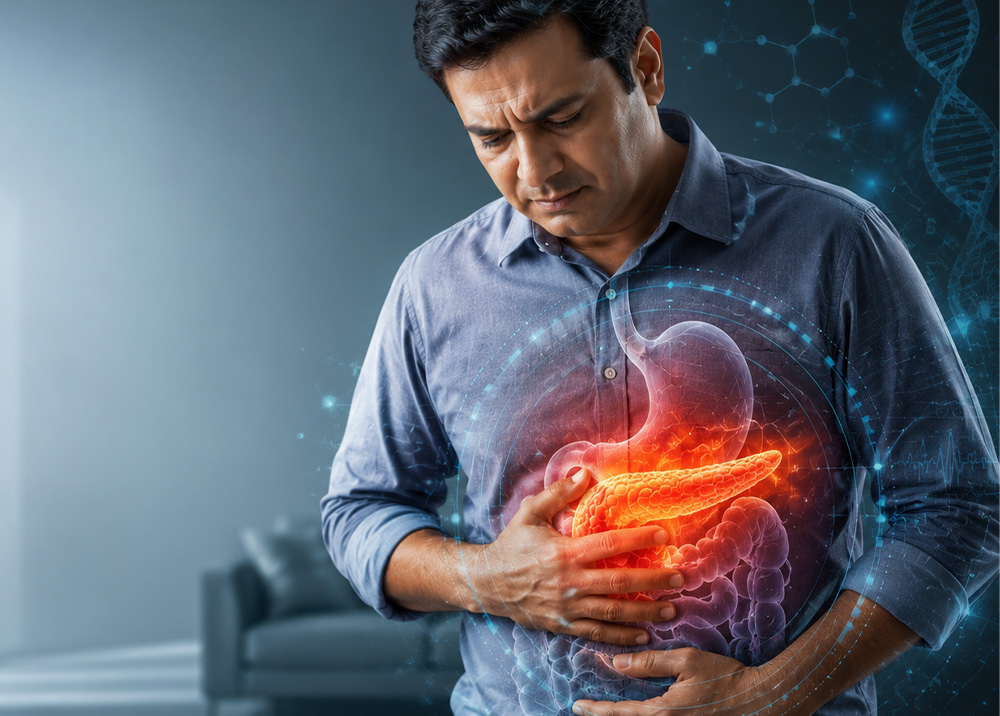
A sudden, severe pain in the upper abdomen that spreads to your back is never something to ignore. If this pain is accompanied by persistent vomiting, fever, or bloating, it could indicate acute pancreatitis, a potentially serious medical condition that requires prompt evaluation and treatment.
In this comprehensive guide, Dr. Saurubh Jaisawal, a premier CMC Vellore-trained Consultant Gastroenterologist and Hepatologist in Patna, explains everything you need to know about acute pancreatitis treatments, causes, diagnosis, symptoms, and when you should seek immediate medical attention.
What Is Acute Pancreatitis?
Acute pancreatitis is the sudden inflammation of the pancreas, an organ located behind the stomach that produces digestive enzymes and hormones like insulin. During an episode of acute pancreatitis, these digestive enzymes become active in the pancreas rather than in the intestine, causing the pancreas to become inflamed and damage itself.
Unlike chronic pancreatitis, which develops gradually over several years and causes permanent damage to the pancreas, acute pancreatitis appears suddenly and can range from a mild illness to a life-threatening medical emergency. Most mild cases recover completely with timely treatment, while severe cases may require intensive hospital care.
Types of Acute Pancreatitis
Acute pancreatitis is generally classified into
- Mild Acute Pancreatitis: Inflammation without organ failure, most patients recover completely with supportive treatment.
- Moderately Severe Acute Pancreatitis: Temporary organ dysfunction or local complications like fluid collections.
- Severe Acute Pancreatitis: Persistent organ failure, pancreatic necrosis, or infection requiring intensive care.
Recognizing the Warning Signs: Acute Pancreatitis Symptoms
Early identification of acute pancreatitis symptoms can help prevent serious complications and improve recovery.
The most common symptoms include:
- Severe upper abdominal pain that may radiate to the back
- Pain that worsens after eating, especially fatty meals
- Persistent nausea and repeated vomiting
- Abdominal tenderness and bloating
- Fever and chills
- Rapid heartbeat
- Loss of appetite
- Indigestion and feeling unusually full
The pain is often sudden, severe, and constant, making it difficult to stand upright or perform daily activities.
What Causes Pancreatitis?
Understanding pancreatitis causes is essential for preventing future episodes. Several medical conditions and lifestyle factors can trigger inflammation of the pancreas.
Gallstones: Gallstones are one of the common pancreatitis causes. Small gallstones can block the pancreatic duct, trap digestive enzymes and trigger painful inflammation.
Excessive Alcohol Consumption: Heavy or prolonged alcohol intake can injure pancreatic cells and activate digestive enzymes prematurely, leading to inflammation.
High Blood Triglycerides: Very high triglyceride levels can trigger acute pancreatitis by increasing fatty acid toxicity within the pancreas.
Certain Medications: Some antibiotics, blood pressure medications, and chemotherapy drugs may rarely contribute to pancreatic inflammation.
How Is Acute Pancreatitis Different from Gastritis or Acidity?
Many people mistake acute pancreatitis for gastritis, acidity, or indigestion because all three conditions can cause discomfort in the upper abdomen.
However, acute pancreatitis is a serious medical condition that requires prompt evaluation, as its symptoms are typically more severe and do not improve with routine home remedies.
- Pain location
- Pain intensity
- Associated symptoms
- Duration
- Response to antacids
If your abdominal pain is severe, spreads to your back, or is accompanied by persistent vomiting, fever, or abdominal swelling, it should never be dismissed as simple acidity. Seeking medical evaluation can help identify acute pancreatitis early, allowing timely treatment and reducing the risk of serious complications.

“Acute pancreatitis should never be ignored. Early diagnosis and appropriate treatment can prevent serious complications, preserve pancreatic function, and significantly improve recovery outcomes.”
Who Is at Higher Risk?
Although anyone can develop pancreatitis, the following categories of individuals are at a higher risk.
- People with gallstones
- Individuals who consume excessive alcohol
- Patients with high triglyceride levels
- People with obesity
- Smokers
- Individuals with diabetes
- Patients with a family history of pancreatic disorders
- People taking certain medications
Identifying these risk factors allows for early preventive care and timely medical intervention. If you are a high-risk individual experiencing acute pancreatitis symptoms, you should consult a pancreas specialist near you immediately.
What Happens if You Leave It Untreated?
Ignoring warning signs of pancreatitis can result in severe complications affecting multiple organs.
Possible complications include:
- Pancreatic Necrosis: Parts of the pancreas lose blood supply and begin to die, increasing the risk of severe infection.
- Pancreatic Infection: Damaged pancreatic tissue can become infected, often requiring drainage or surgery.
- Pseudocysts: Fluid-filled sacs may develop around the pancreas and cause pain, infection, or rupture.
- Organ Failure: Severe inflammation can affect the lungs, kidneys, and heart, requiring intensive care.
- Sepsis: Infection may spread into the bloodstream, becoming life-threatening.
Prompt acute pancreatitis treatment greatly reduces the risk of these complications.
How Is Acute Pancreatitis Diagnosed?
At Dynamic Super-Speciality Liver & Gastro Center, diagnosis begins with a detailed clinical evaluation and physical examination.
Depending on the patient’s condition, investigations may include:
- Clinical examination
- Blood tests (including pancreatic enzyme levels)
- Liver function tests
- Ultrasound abdomen
- CT Scan abdomen
- MRI or MRCP when indicated
- Endoscopic Ultrasound (EUS) in selected cases
These investigations help determine the severity of pancreatitis, identify its cause, and guide the most appropriate treatment plan.
How is Acute Pancreatitis Treatment Designed?
Effective acute pancreatitis treatment focuses on reducing inflammation, relieving pain, treating the underlying cause, and supporting recovery.
Dr. Saurubh Jaiswal’s approach for pancreatitis treatment in Patna commonly includes:
- Hospital Admission: Most patients require hospitalization for close monitoring.
- Intravenous (IV) Fluids: Aggressive hydration helps maintain blood circulation and supports pancreatic healing.
- Pain Management: Appropriate medications are used to relieve severe abdominal pain.
- Nutritional Support: Depending on severity, patients may initially avoid oral food before gradually resuming a specialized diet.
- Treating the Underlying Cause: Gallstone removal, triglyceride control, or stopping certain medications may be necessary.
- Advanced Interventions: Severe cases may require endoscopic procedures or surgery if complications develop.
Early medical care significantly improves recovery and minimizes long-term pancreatic damage.
Foods to Eat and Foods to Avoid During Recovery
Proper nutrition plays a key role in helping the pancreas heal after an acute pancreatitis attack and can support a smoother recovery while reducing the risk of future episodes.
Foods to Eat
- Soft, low-fat foods
- Fruits and vegetables
- Lean protein
- Whole grains
- Plenty of fluids
Foods to Avoid
- Fried foods
- Oily foods
- Alcohol
- Sugary beverages
- Processed foods
- Red meat (during early recovery)
Follow your gastroenterologist’s dietary advice strictly and gradually reintroduce healthy, low-fat foods to promote pancreatic healing, improve digestion, and help prevent recurrent attacks.
When Should You See a Specialist?
If you or your loved one is experiencing severe abdominal pain, or symptoms suggestive of acute pancreatitis, don’t delay medical care. Early diagnosis by an experienced specialist can prevent life-threatening complications and improve long-term pancreatic health.
Visit Dynamic Super-Speciality Liver & Gastro Center, Patna
Consult Dr. Saurubh Jaisawal, a trusted pancreas specialist in Patna, if you experience any of the symptoms of acute pancreatitis. Early consultation can help prevent serious complications and ensure faster recovery.
Book Appointment Now: +91 94706 23130
Address: Pillar No. 76, Mazar Gali, Raja Bazar, Patna – 800014.
Website: https://drsaurabhjaiswalpatna.com/
Google Profile: Dynamic Liver Centre – Dr Saurabh Jaiswal | Best Gastroenterologist in Patna, Bihar